
Last updated on February 22nd, 2021 at 09:34 pm
Several components of the body of evidence make the wood ape mystery worthy of ongoing scrutiny.
These would include:
1. The database of eyewitness reports of huge, hair-covered, upright, human-shaped mammals, or their tracks — now numbering over 3000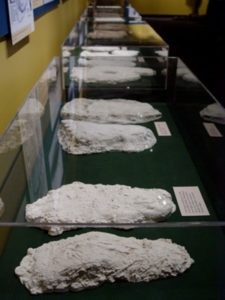 reports and distributed over a period of over 150 years.
2. Remarkably consistent physical descriptions of these creatures, including, in some cases, anatomical details.
3. The sincerity and credibility of eyewitnesses, some of whom are law enforcement officers and experienced outdoor workers such as wildlife and fisheries officials, combined with the reluctance of these eyewitnesses to be recognized or credited for their reports.
4. The similarity of physical and behavioral descriptions to an upright, bipedal version of well-known (possibly related) animals: the known great apes. Wood apes are typically described as huge, hair-covered, human-shaped animals with a short, thick neck. They differ from upright bears primarily in having a flat face and shoulders that are prominently broad or squarish rather than tapered or sloping.
5. The expanding collection of over 100 different track casts catalogued and archived at Idaho State University by anatomy professor Jeffrey Meldrum and available for examination.
6. Ecologically significant correlations between sighting locations and habitat characteristics.
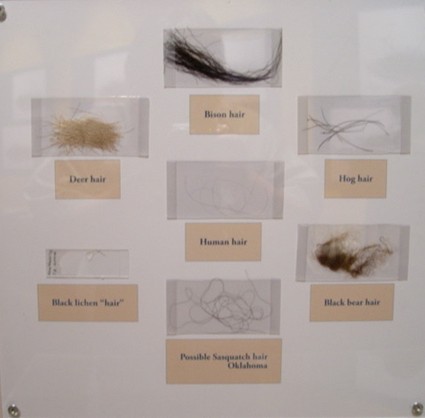
7. Hair samples collected under compelling circumstances that appear to be from an undocumented species.
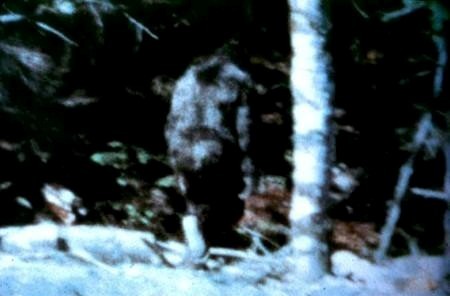
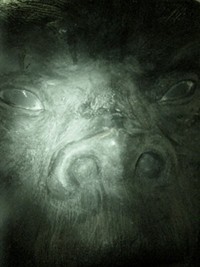
8. The 1967 film obtained by Roger Patterson and Bob Gimlin in northern California, along with the supporting evidence and onsite follow-up investigations. No one has demonstrated convincing arguments or recreations that begin to cast serious doubt on the validity of the animal shown in the film. Two images, in the possession of the NAWAC, of a wood ape photographed in Oklahoma bear a remarkable resemblance to the Patterson/Gimlin subject, lending further credence to the film (and to the photos).
9. Recorded vocalizations thought to be of wood ape origin that have not yet been identified by bioacoustics experts.
 10. Ubiquitous Native American and First Nations accounts of upright ape-like creatures that predate U.S. history, along with newspaper articles dating to colonial times relating sightings of large hairy ape-like creatures.
Group members and advisors have documented forms of evidence, such as those described above, in the NAWAC’s focus region. This evidence includes traditional Native American lore, track finds, hair, and vocalizations. Perhaps most compelling, at least to the individuals involved, are the visual contacts made by members in the course of conducting field investigations. Such experiences serve to motivate and sustain members during the arduous and costly process of searching for and documenting sasquatch-related evidence.
References
Bindernagel, J. A. (1998). North America’s Great Ape: The Sasquatch. Beachcomber Books. Courtenay, B.C., Canada.
“The process of scientific discovery is, in effect, a continual flight from wonder.”
– Albert Einstein

